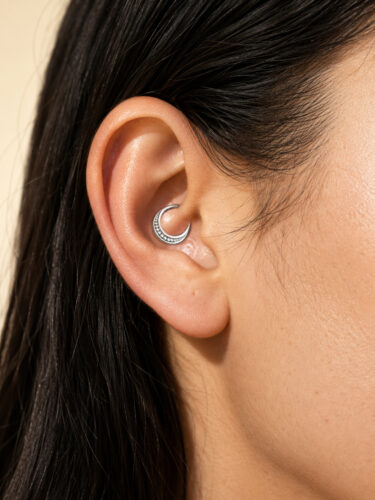
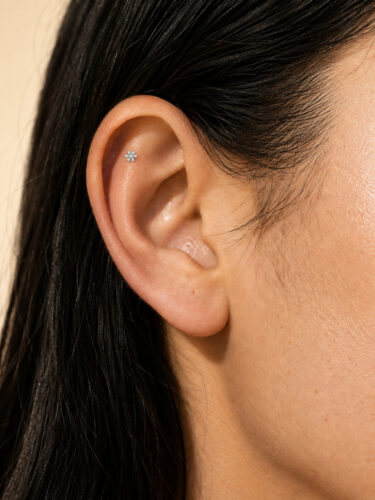
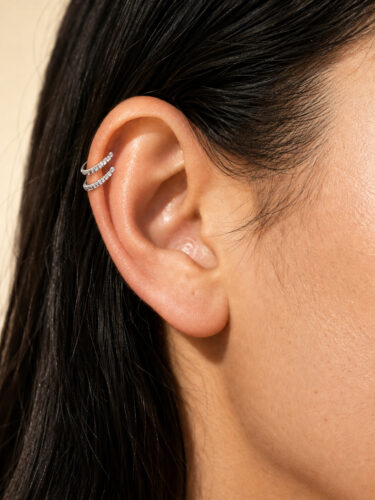
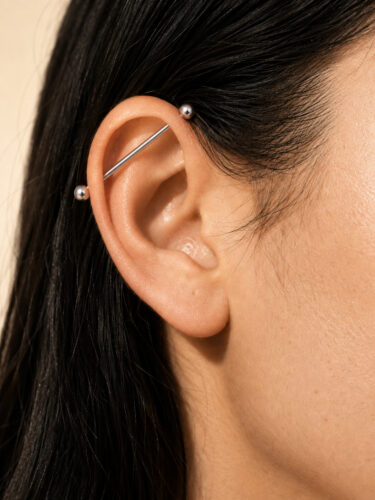
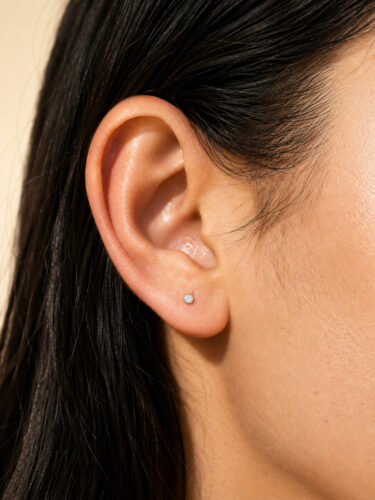
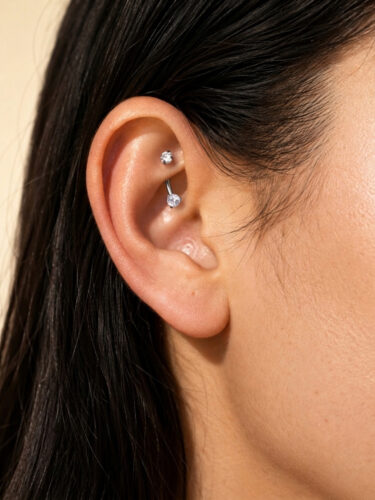
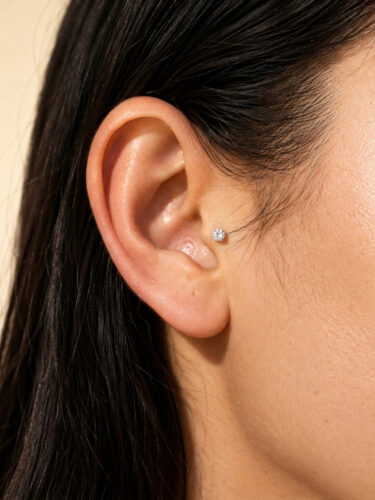
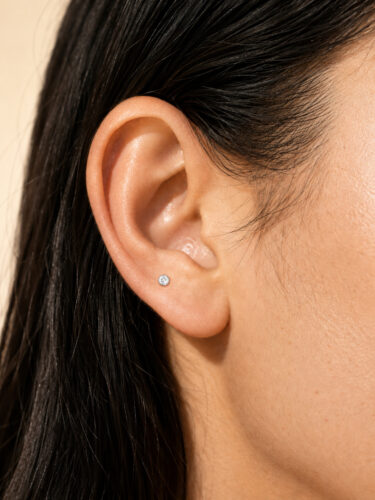
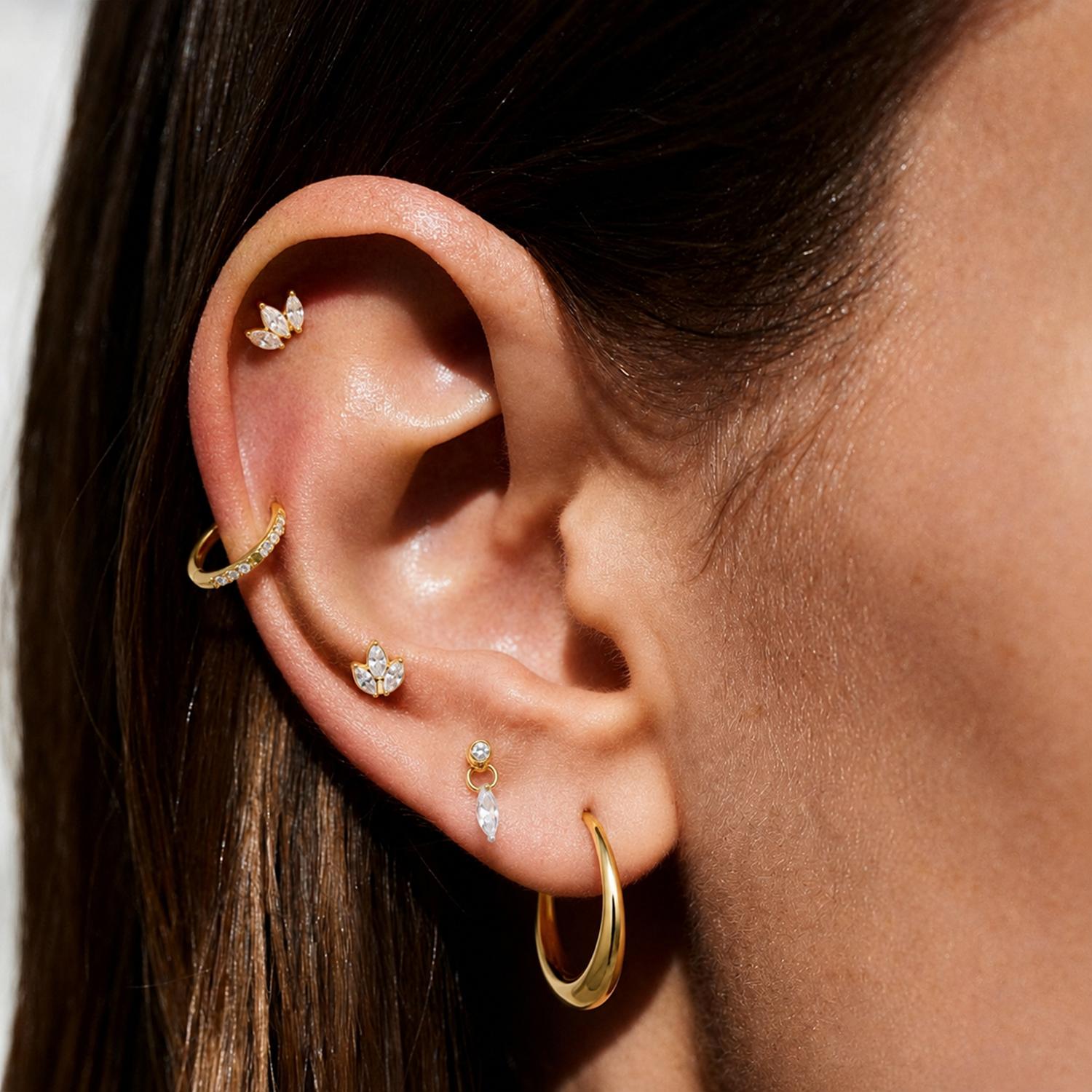
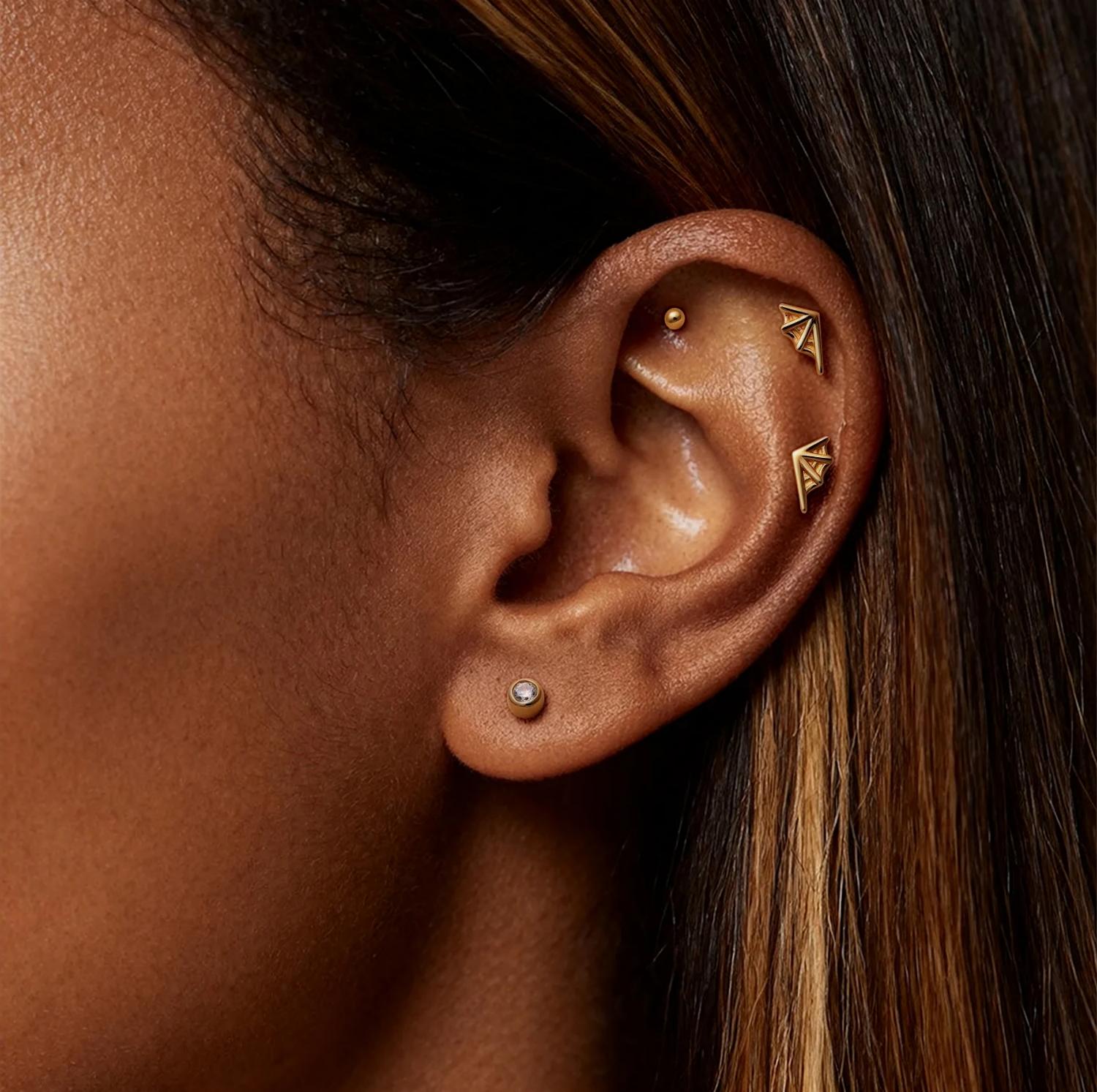
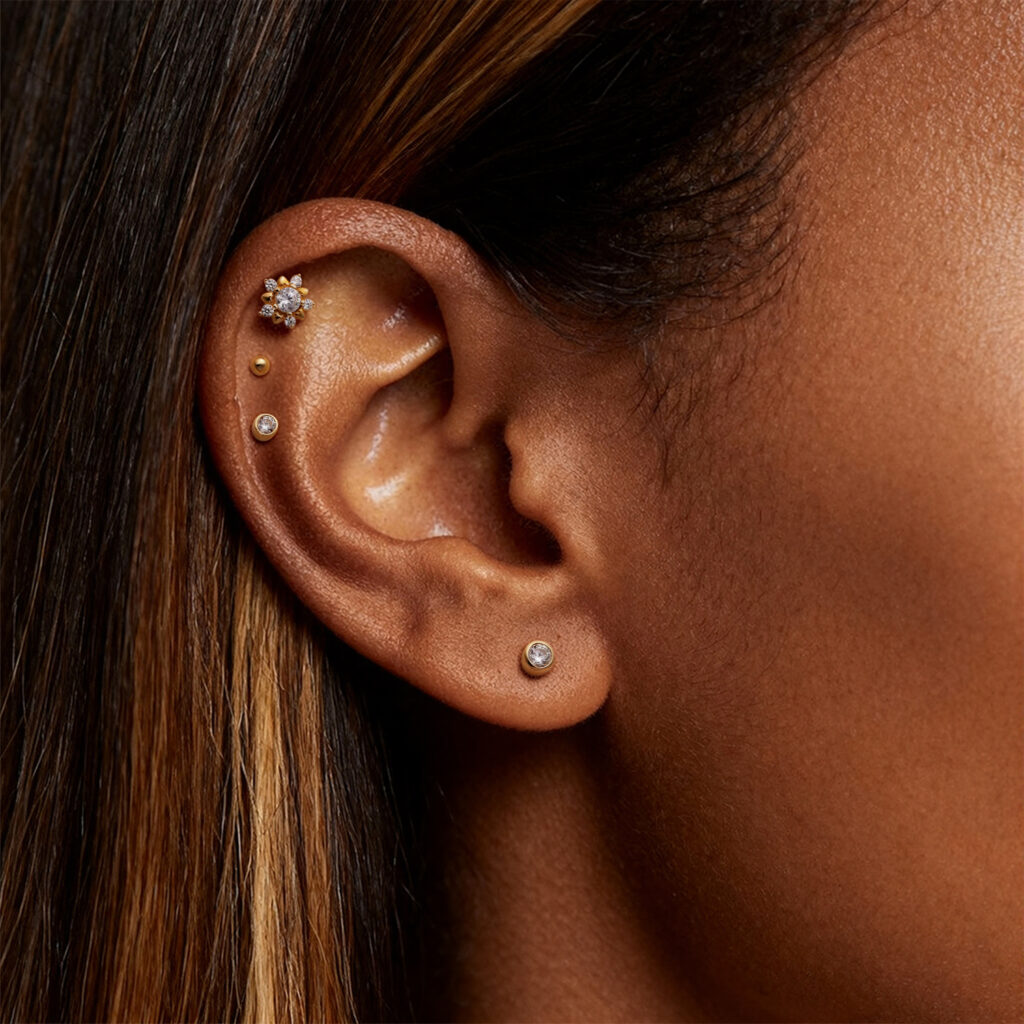
Body Freedom represents autonomy, confidence, and self-expression.
We believe your body is not a trend — it's a canvas. Piercing jewelry should empower you — without compromising safety, comfort, or long-term wear.
Our name reflects our promise: freedom to wear what you love, with complete trust in what touches your skin.
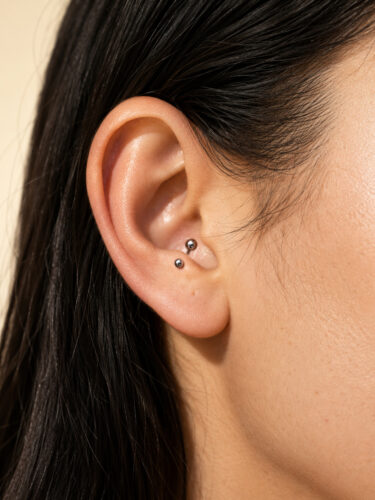
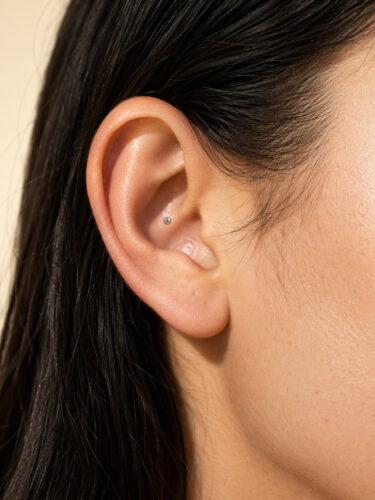
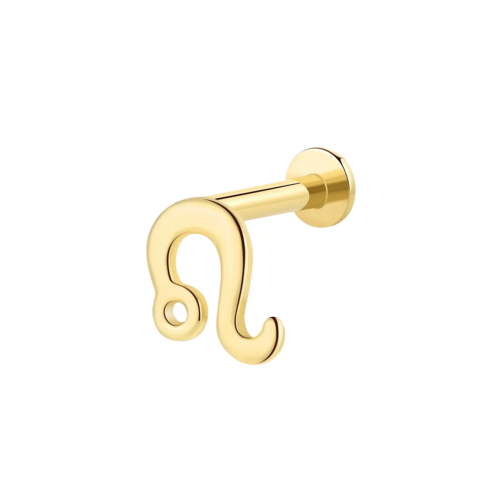
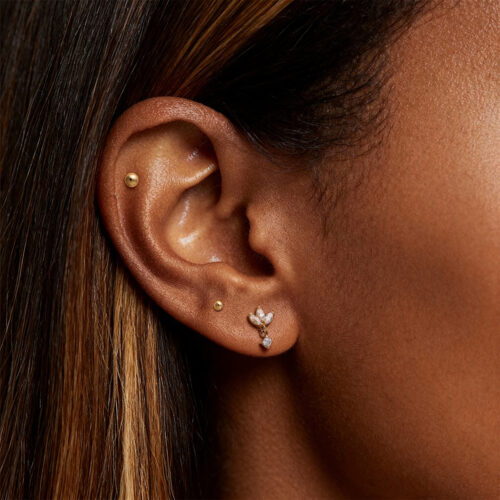
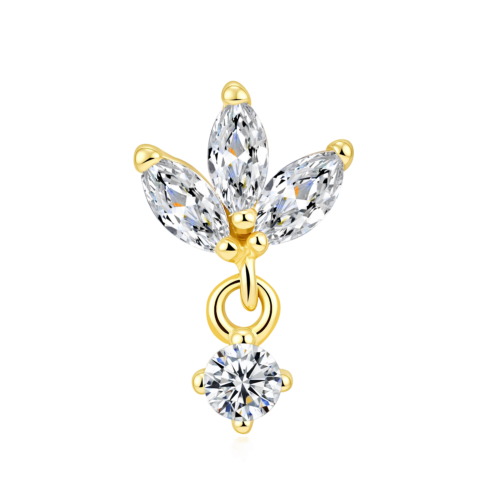
This simple stud earrings guide explains the most common types of piercing studs, how they work, and how to wear or remove them safely. Whether you are choosing flatback studs, threadless studs, barbell studs, or classic butterfly back earrings, understanding the fitting style can help you find jewelry that feels secure, comfortable, and easy to wear.
Whether you prefer a clean everyday hoop or want to build a layered ear stack with charms, the right fit makes all the difference. This hoop earrings guide explains common sizing tips, how to wear hinged hoops comfortably, and how to add charms safely for a personalized piercing jewelry look.
Threaded front screws into the post, with a smooth flat back for secure and comfortable wear.
Threadless pin slides into the post and holds by gentle tension for easy, minimal styling.
Removable ball screws onto the outside of the post, commonly used for ear and body piercings.
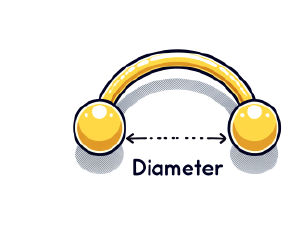
Hoops are measured by inner diameter, showing how closely they sit against your ear.
Your ideal hoop size depends on piercing placement, ear shape, and your preferred fit.
Check both hoop diameter and gauge to ensure a secure, comfortable fit.
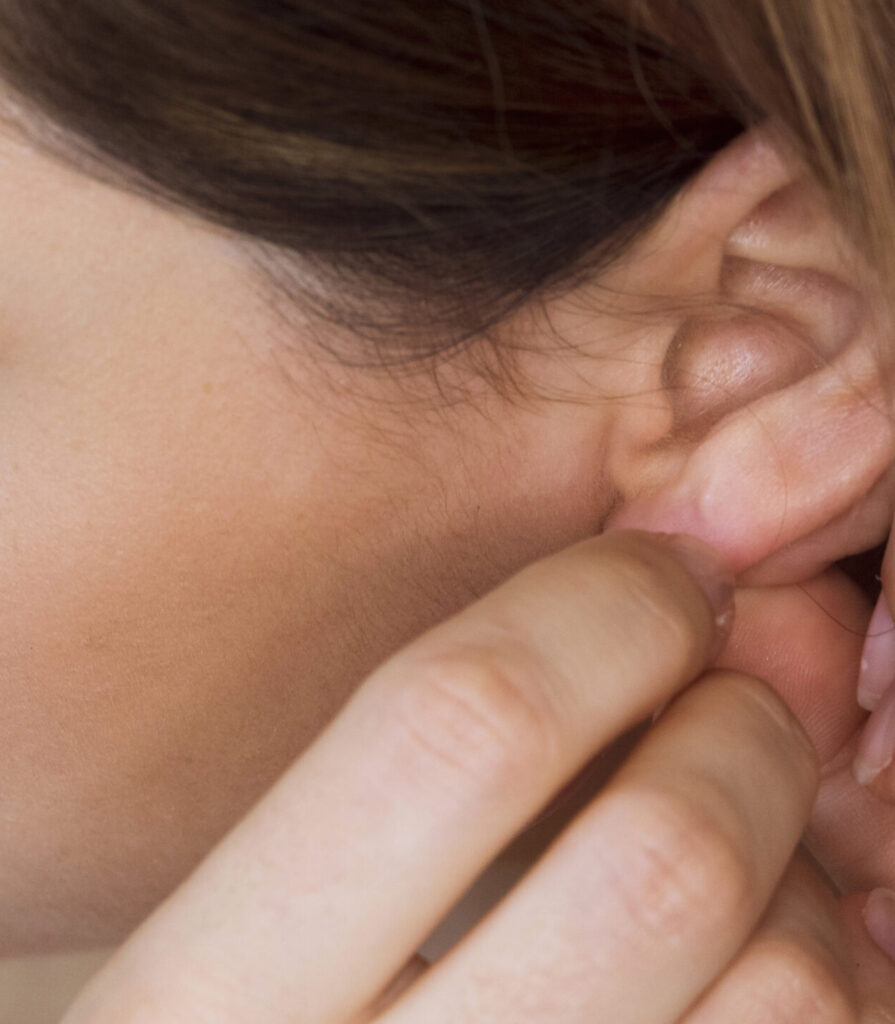
Insert the flatback post through your piercing from the back. Place the threaded front attachment into the post, then turn it clockwise until it feels fully secure.
Hold the flatback post steady from behind, then gently rotate the front attachment anti-clockwise until it comes loose.
Remove the ball from the barbell post. Insert the post through your piercing from the front, then twist the ball onto the back until it is secure.
Hold the front of the jewelry in place and gently twist the ball anti-clockwise to remove it.
Insert the pin into the flatback post and press the two pieces together. The slightly bent pin creates tension inside the post, helping the jewelry stay secure during wear.
Hold both ends of the jewelry and gently pull them apart. If the fit feels tight, use a small twisting motion while pulling.
After repeated wear or jewelry changes, the pin may need a slight adjustment to restore tension. Use the post carefully as a guide to create a gentle bend before inserting it again.
Gently open the hoop at the hinged seam. Avoid pulling too hard, as too much force may bend the hoop or affect the closure.
Carefully slide the hoop through your piercing. Make sure the hoop passes through smoothly and sits comfortably before closing it.
Press the hinged section back into place until it clicks securely. Always check that the hoop is fully closed before wearing it throughout the day.
Gently open the hinged hoop at the seam. Handle the hoop carefully to avoid bending the shape or damaging the closure.
Place your charm onto the hoop and check the direction before closing it. Make sure the front of the charm faces outward when worn.
Fit the hoop into your piercing, then click it closed. Your charm is now ready to wear, giving your hoop earrings a more personal and expressive look.
The right stud thickness, also called the gauge, depends on how your piercing was done and what your piercing can comfortably support.
If your ears were pierced professionally with a needle, your piercing may be suitable for 1.2mm gauge jewelry or thicker, depending on the placement and healing condition.
If your ears were pierced with a piercing gun, your piercing is often closer to 0.9mm to 1.0mm in thickness, especially for standard lobe piercings.
For the best fit, always check the gauge and post length before buying piercing jewelry. If you are unsure which stud earrings are right for your piercing, ask a professional piercer for advice before changing your jewelry.
The thickness of your hoop earrings, also called the gauge, should match your piercing type and how it was originally done.
NEEDLE PlERCING If your piercing was done professionally with a needle, it may be suitable for 1.2mm gauge jewelry or thicker, depending on the piercing location and healing condition.
PlERCING GUN If your ears were pierced with a piercing gun, the piercing is often closer to 0.9mm to 1.0mm, especially for standard lobe piercings.
To keep your Body Freedom piercing jewelry comfortable and secure, always check the hoop gauge, inner diameter, and piercing placement before purchasing. If you are unsure which size is right for you, ask a professional piercer before changing your jewelry.
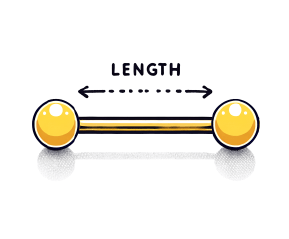
When shopping for the perfect piece of body piercing jewelry you'll need to know what size you need. Here's some info to help you discover your perfect fit.
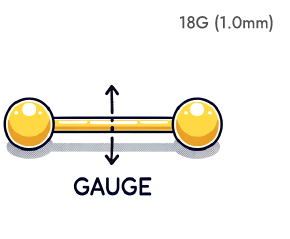
![]() |
![]() |
![]() |
|---|
| Piercing | Standard Gauge | Standard Length |
|---|---|---|
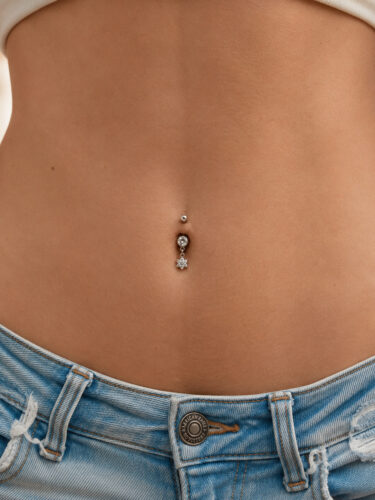
| Belly Button / Navel Ring | 14G | 3/8" , 7/16" |
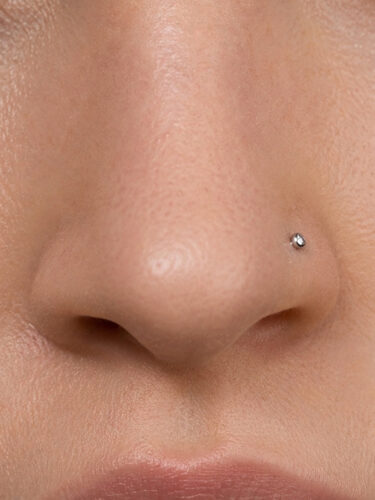
| Nose Piercing | 20G , 18G | 1/4" , 5/16" |
| Tongue Piercing | 14G | 5/8" |
| Cartilage Piercings (Helix, Forwad Helix, Tragus) | 16G , 18G | 3/16" , 1/4" and 5/16" |
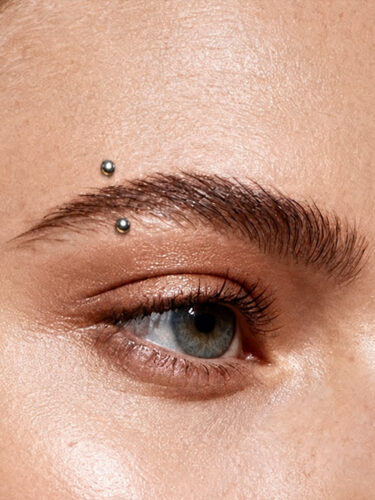
| Eyebrow Piercing | 16G (14G is also commonly used) | 1/4" , 5/16" and 3/8" |
| Industrial Barbell | 14G (16G is also commonly used) | 1 1/2" (varies) |
| Labret Lip Rings | 14G or 16G | 1/4" , 5/16", and 3/8" |
| Monroe Piercing | 16G | 1/4" , 5/16" and 3/8" |
| Nipple Piercing | 14G | 3/8" , 1/2", 9/16" |
| Rook / Conch / Daith | 16G , 18G | 3/16", 1/4" , 5/16" and 3/8" |
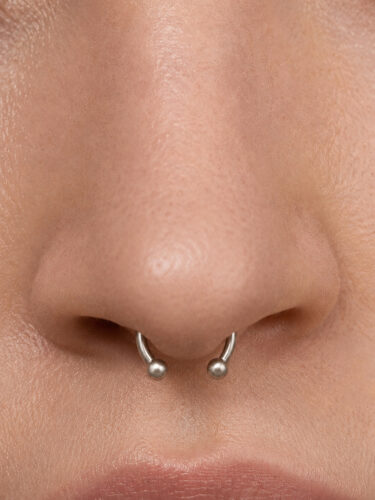
| Septum | 14G (16G is also commonly used) | 3/8", 7/16", 1/2", and 5/8" |
| Ear Lobe Piercings | 20G or 22G |

Subscribe to our newsletter and we'll send you adiscount code for your first order.
What's the percentage off? Come find out...