Body Freedom represents autonomy, confidence, and self-expression.
We believe your body is not a trend — it's a canvas. Piercing jewelry should empower you — without compromising safety, comfort, or long-term wear.
Our name reflects our promise: freedom to wear what you love, with complete trust in what touches your skin.
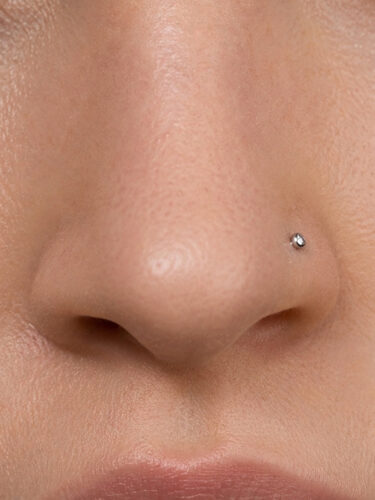
Nose jewelry sizing depends on the jewelry style, piercing placement, and the shape of your nose. Nose studs, hoops, labret studs, L-shaped studs, and nose screws may all fit differently. This guide explains the key size details to help you choose a piece that feels secure, comfortable, and easy to wear.
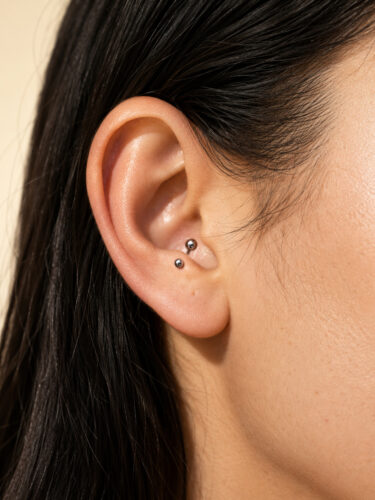
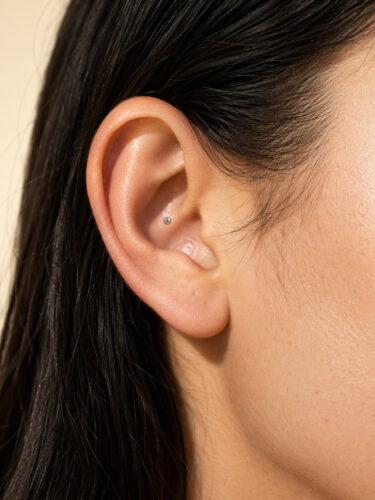
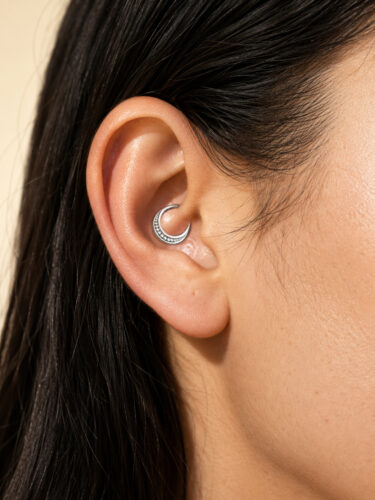
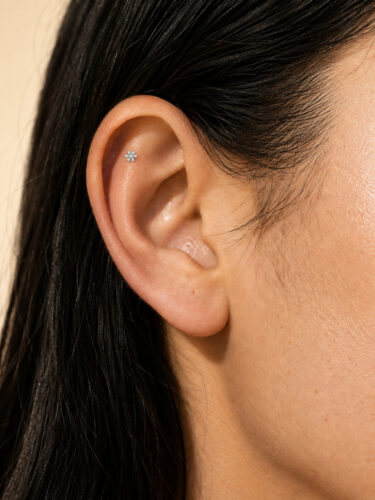
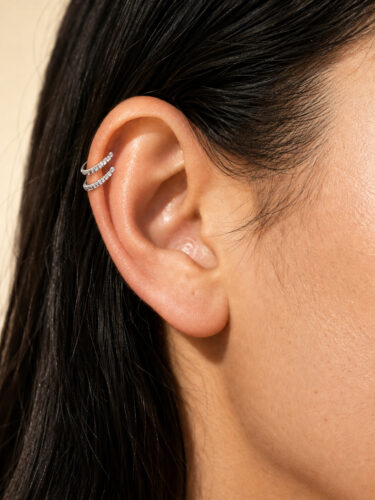
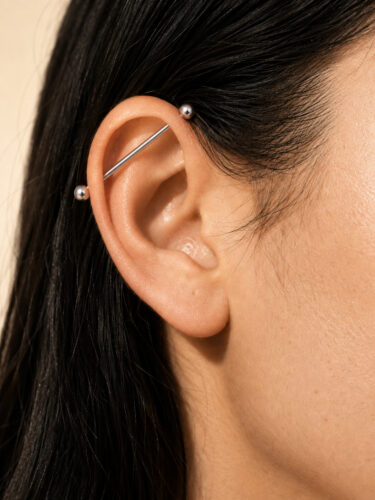
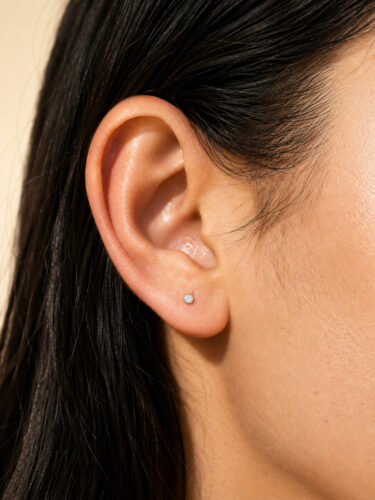
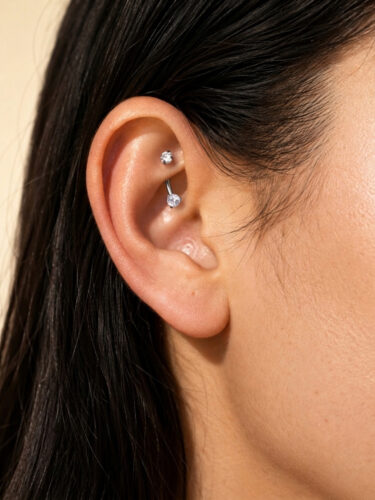
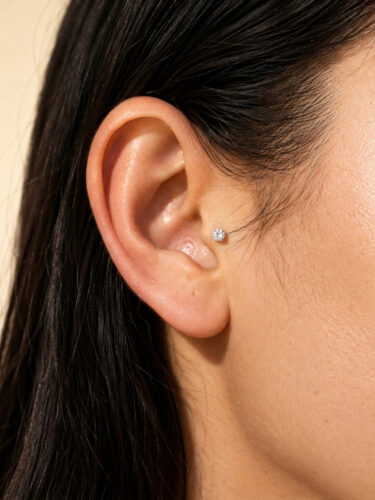
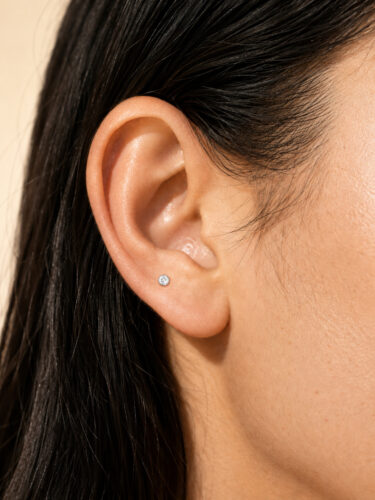
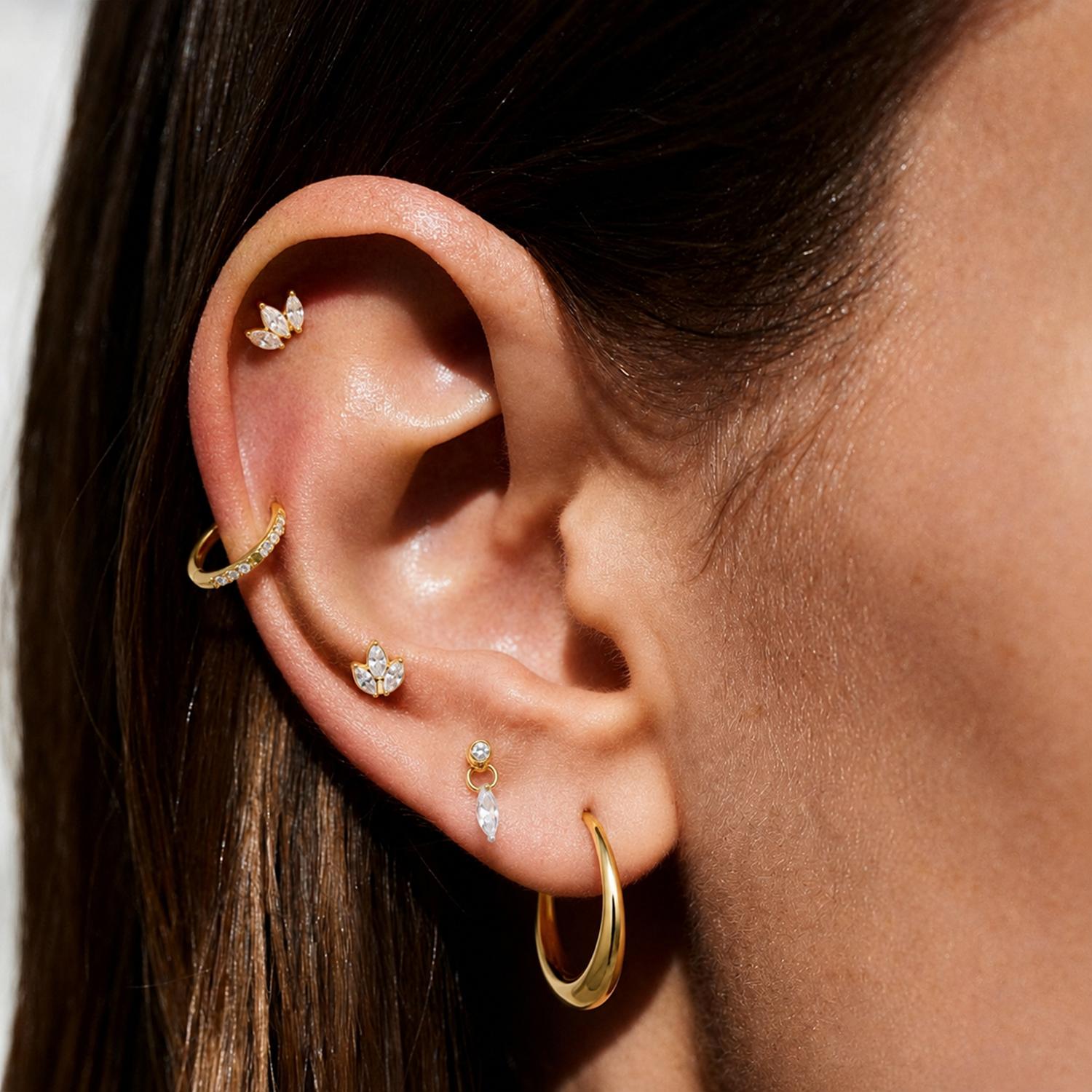
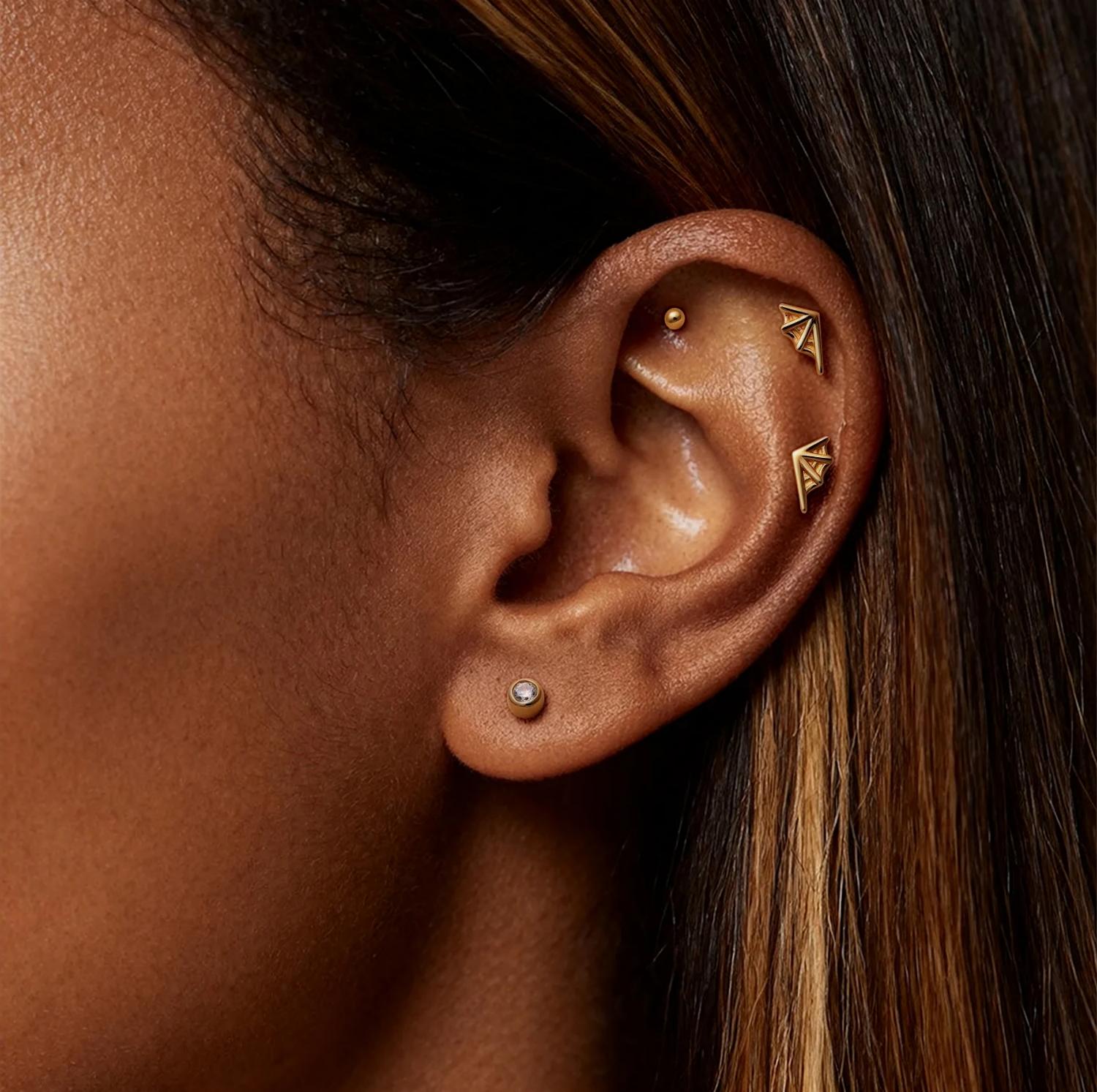
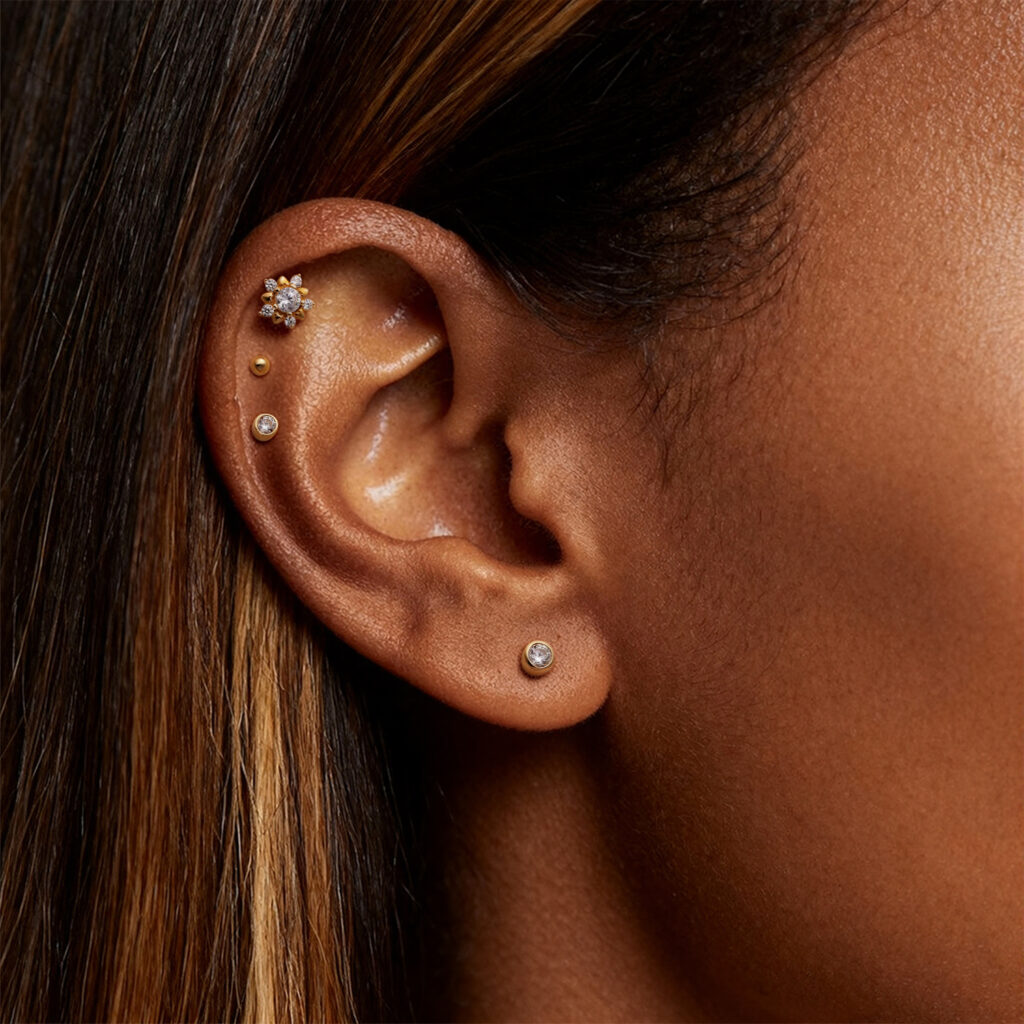
Choosing the right ear jewelry size helps your piece sit comfortably and look balanced on your ear. Different ear placements, such as the lobe, helix, tragus, conch, and rook, may need different hoop diameters, post lengths, gem sizes, and gauges. Use this guide to better understand each size option before choosing your jewelry.
Gem size changes the overall look of nose jewelry. Smaller gems offer a delicate and minimal style, while larger gems create a more noticeable accent. For daily wear, many people prefer a gem size that adds shine without feeling bulky or overpowering on the nose.
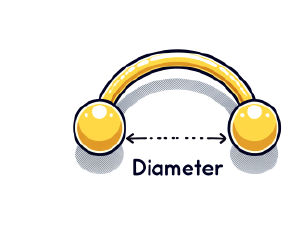
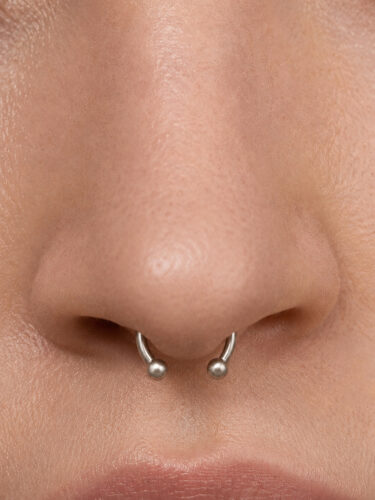
Nose hoop size is usually measured by the inner diameter. A smaller diameter creates a closer fit around the nostril, while a larger diameter gives a looser and more visible curve. The right size depends on your nostril piercing position, nose shape, and preferred fit.
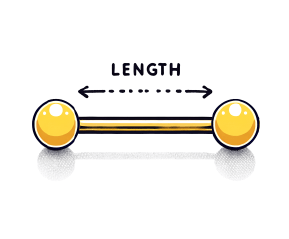
Bar length, also called post length, affects how securely nose jewelry sits in place. For nose studs and labret-style jewelry, the post should be long enough to feel comfortable but not so long that it sticks out or moves too much. A good fit should feel stable without pressing into the skin.
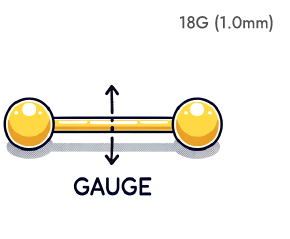
Gauge refers to the thickness of the jewelry post or wearable area. Nose piercings may use different gauges depending on the original piercing size and jewelry type. Always choose a gauge that matches your existing piercing to avoid discomfort or an unstable fit.
Nose studs come in different styles, including labret studs, L-shaped studs, and nose screws. Each style sits slightly differently inside the nostril, so comfort and security may vary. The right choice depends on whether you prefer easy insertion, a flatter backing, or a more secure curved design.
Some nose piercings may start with a longer post to allow space for early swelling. After the piercing becomes more settled, a shorter post can help the jewelry sit closer to the nose and reduce extra movement. For new piercings, professional guidance is recommended before changing jewelry size.
Gem size affects how noticeable your ear jewelry looks. Smaller gems create a clean and subtle shine for everyday wear, while larger gems add more sparkle and visual focus. For stacked ear looks, mixing different gem sizes can help create depth without making the styling feel too heavy.
Hoop size is usually measured by the inner diameter of the hoop. A smaller diameter gives a closer huggie-style fit, while a larger diameter leaves more space and movement. The best hoop size depends on your piercing position, ear shape, and whether you prefer a snug or relaxed look.
Gem size affects how noticeable your ear jewelry looks. Smaller gems create a clean and subtle shine for everyday wear, while larger gems add more sparkle and visual focus. For stacked ear looks, mixing different gem sizes can help create depth without making the styling feel too heavy.
Gauge refers to the thickness of the jewelry post or wearable area. A higher gauge number usually means a thinner post. Choosing the correct gauge is important because the jewelry needs to match your existing piercing hole for a comfortable and secure fit.
New ear piercings are often fitted with a longer post to allow room for early swelling. Once the piercing becomes more stable, changing to a shorter post can help the jewelry sit closer to the ear and reduce movement, snagging, or irritation. For fresh or sensitive piercings, it is best to confirm the right timing with a professional piercer.
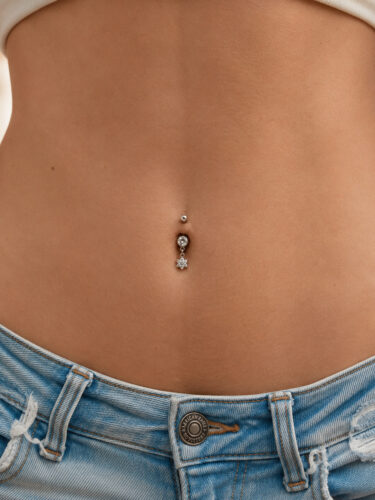
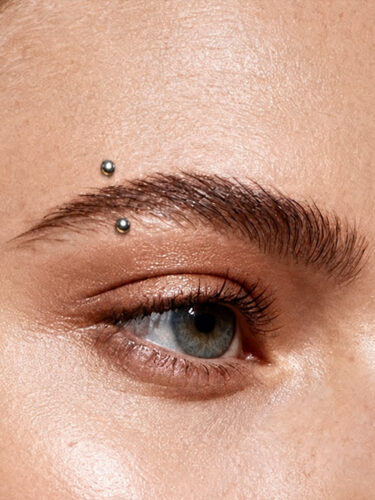
When shopping for the perfect piece of body piercing jewelry you'll need to know what size you need. Here's some info to help you discover your perfect fit.
![]() |
![]() |
![]() |
|---|
| Piercing | Standard Gauge | Standard Length |
|---|---|---|
| Belly Button / Navel Ring | 14G | 3/8" , 7/16" |
| Nose Piercing | 20G , 18G | 1/4" , 5/16" |
| Tongue Piercing | 14G | 5/8" |
| Cartilage Piercings (Helix, Forwad Helix, Tragus) | 16G , 18G | 3/16" , 1/4" and 5/16" |
| Eyebrow Piercing | 16G (14G is also commonly used) | 1/4" , 5/16" and 3/8" |
| Industrial Barbell | 14G (16G is also commonly used) | 1 1/2" (varies) |
| Labret Lip Rings | 14G or 16G | 1/4" , 5/16", and 3/8" |
| Monroe Piercing | 16G | 1/4" , 5/16" and 3/8" |
| Nipple Piercing | 14G | 3/8" , 1/2", 9/16" |
| Rook / Conch / Daith | 16G , 18G | 3/16", 1/4" , 5/16" and 3/8" |
| Septum | 14G (16G is also commonly used) | 3/8", 7/16", 1/2", and 5/8" |
| Ear Lobe Piercings | 20G or 22G |

Subscribe to our newsletter and we'll send you adiscount code for your first order.
What's the percentage off? Come find out...